Pineapple Peeling Secrets

James Carter
| 21-07-2026
 · Food Team
Have you ever brought home a fresh pineapple and wondered how to peel it without making a mess? Many of us enjoy its sweet and tangy flavor, but preparing it can seem tricky at first.
The good news is that with a few simple techniques, we can handle a pineapple with confidence and keep more of the juicy fruit. Let's explore several easy methods that work well in different situations, whether we are at home or preparing ingredients for a delicious meal.
Why Proper Peeling Matters
Pineapple is loved for its refreshing taste and natural nutrients. We can enjoy it fresh, or use it in fried rice, baked chicken dishes, fruit salads, desserts, and smoothies. However, its thick outer layer and small "eyes" can make preparation difficult if we do not know the right steps.
Using the proper method helps us keep more of the edible part, reduces waste, and creates attractive pieces that are ready to serve. Choosing the right approach also depends on the tools available in our kitchen.
Method 1: Traditional Peeling with Special Tools
If we often buy pineapples, it is worth having a peeling tool and an eye remover. These tools make the job faster and produce neat results.
Here is how we can do it:
1. Place the pineapple on a cutting board.
2. Slice off the top leafy section.
3. Cut away the bottom to create a stable base.
4. Stand the fruit upright.
5. Remove the outer layer by cutting downward in long strips, following the curve.
6. After removing the skin, we will notice rows of small brown eyes.
7. Use an eye remover to cut along each diagonal row, creating shallow V-shaped grooves that remove several eyes at once.
This method leaves plenty of juicy fruit while creating the familiar spiral pattern often seen in fruit shops.
Method 2: Using Only a Small Fruit Cutter
Sometimes we only have a small fruit cutter available, especially during trips or outdoor gatherings. Luckily, this method works well with just one simple tool.
Follow these steps:
1. Remove the top and bottom sections.
2. Stand the pineapple upright.
3. Carefully insert the cutter between the outer layer and the fruit near the top.
4. Slowly guide it around the inside edge to separate the fruit from the outer shell.
5. Turn the pineapple upside down and repeat from the opposite end.
6. Make one straight cut along the side of the shell.
7. Open the shell gently and lift out the whole fruit.
Once separated, remove the center core and slice the fruit into rings, sticks, or cubes.
This approach keeps the shell mostly intact, making it a fun serving bowl for fruit pieces if desired.
Method 3: Quick Home Cutting Technique
For many families, this is one of the easiest methods because it only requires a large kitchen cutter.
Here is the process:
1. Remove both ends.
2. Cut the pineapple in half from top to bottom.
3. Slice away the firm center core from each half.
4. Cut each half into four long wedges.
5. Cut each wedge into bite-sized pieces.
6. Hold each wedge firmly and slide the cutter between the fruit and the outer layer.
7. Separate the fruit from the skin in one smooth motion.
The pieces are immediately ready to place on a serving plate. This method is especially convenient when preparing fruit for family meals or gatherings.
Method 4: Fruit Cutter and Spoon Combination
This technique is simple and works well when we want small cubes for cooking or desserts.
Steps include:
1. Remove the top and bottom.
2. Cut the pineapple into two equal halves.
3. Use a small cutter to trace around the inside edge near the shell.
4. Score the fruit into a crisscross pattern without cutting through the shell.
5. Use a thin spoon to scoop out the cubes carefully.
The fruit comes out in neat pieces that are ready for fried rice, baked dishes, fruit cups, or refreshing snacks. Since the shell stays whole, it also creates a beautiful natural serving dish.
Helpful Tips Before Enjoying
After peeling and cutting, we should avoid eating the pineapple immediately. Instead, place the pieces in lightly salted water for about 30 minutes.
This simple step helps reduce the sharp taste that some people notice and makes the fruit even more pleasant to enjoy. After soaking, rinse the pieces with clean water before serving.
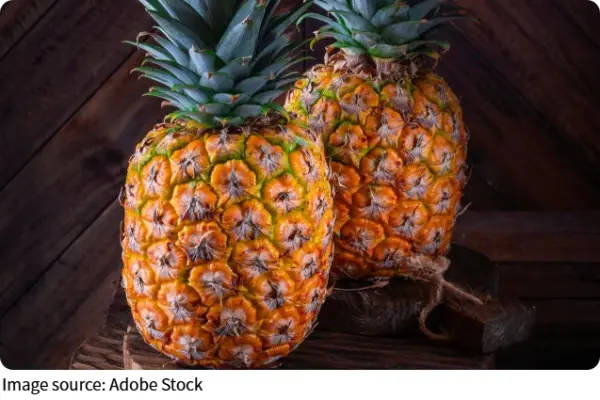
When choosing a pineapple, look for these signs:
- A golden-yellow outer color.
- Fresh green leaves that pull out with gentle pressure.
- A sweet fruity aroma near the base.
- A firm shell with a slight amount of softness when gently pressed.
These features often indicate good flavor and ripeness.
Enjoy Pineapple in Different Ways
Fresh pineapple is wonderfully versatile. We can add it to fruit bowls, blend it into smoothies, mix it into fried rice, bake it with chicken, prepare refreshing desserts, or simply enjoy chilled cubes on a warm afternoon.
No matter which preparation style we choose, careful peeling helps us save more fruit and makes serving much easier. With a little practice, the process becomes quick and enjoyable.
Final Thoughts
Lykkers, peeling a pineapple may seem challenging at first, but once we learn the right technique, it becomes a simple kitchen skill. Whether we use special tools, a small fruit cutter, a large kitchen cutter, or even a spoon, each method has its own advantages.
Which peeling method would you like to try first? Or do you have another clever technique that works well? Share your favorite way with us, and let's continue discovering easy kitchen ideas together!
HOW TO CUT A PINEAPPLE | Clean & Delicious
Video by