Plants Grow Up Too

Santosh Jha
| 26-05-2026
 · Plant Team
A young plant feels full of momentum. New leaves appear quickly, stems stretch with enthusiasm, and everything seems eager to grow. Then, quietly, something shifts. Growth slows, shapes become fuller, and the plant settles into a more stable rhythm. For Lykkers, this is where plant care becomes more interesting. The needs do not disappear, they simply change.
This guide explores how plant care evolves as plants mature and why treating an older plant like a young one can lead to confusion. Once you understand these stages, you stop reacting to changes as problems and start recognizing them as natural transitions. The goal is not to do more, but to adjust how you care based on what the plant is now, not what it used to be.
How Young Plants Behave
Young plants have a very different mindset compared to mature ones. They are focused on expansion, exploration, and building their structure. When you understand this phase, their fast-paced growth starts to make perfect sense.
Growth Feels Fast and Frequent
In early stages, new leaves appear regularly and sometimes surprisingly quickly. You may feel like every week brings something new. This is because the plant is building its foundation, both above and below the soil.
During this time, you might notice that the plant responds quickly to care changes. A brighter spot or better watering rhythm often leads to visible improvement within days. Young plants are highly reactive because they are still defining their growth pattern.
Water and Nutrient Demand Is Higher
Because growth is active, young plants often use water more quickly. The soil may dry faster, and the plant may seem to need more frequent attention.
This does not mean constant watering, but it does mean staying attentive. If the plant is producing new growth, it is using resources actively. Matching that pace helps support its development without interruption.
Roots Are Exploring Rapidly
Below the surface, roots are expanding to find space and resources. This is why young plants often benefit from occasional repotting when they outgrow their container.
If roots feel restricted too early, growth above the soil may slow down. Giving just enough room at the right time helps maintain that early momentum.
Structure Is Still Flexible
Young plants are easier to shape. Their stems are more flexible, and their growth direction can still be influenced by light and positioning.
You might notice that rotating the plant or adjusting its placement leads to visible changes in how it grows. This is the stage where small adjustments can have a big impact on future form.
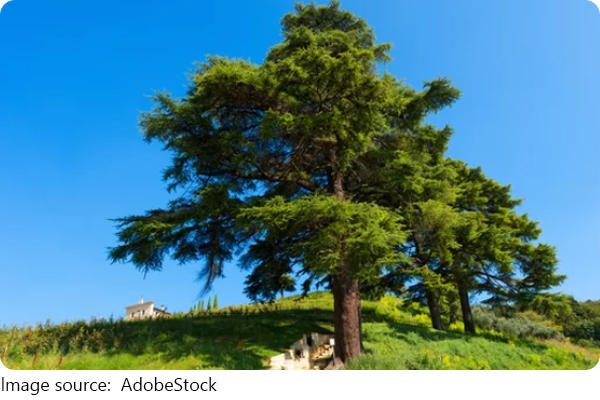
What Changes as Plants Mature
As plants grow older, their priorities shift. They are no longer trying to expand as quickly. Instead, they focus on maintaining balance, strengthening structure, and sustaining themselves over time.
Growth Slows but Becomes Steadier
A mature plant does not stop growing, but it grows at a more measured pace. New leaves appear less frequently, and changes are more subtle.
This can sometimes feel like something is wrong, especially if you are used to fast growth. But in many cases, this slower rhythm is a sign of stability rather than decline. The plant has already built much of its structure and now focuses on maintaining it.
Water Needs Become More Predictable
Mature plants often develop a more consistent pattern when it comes to water use. The soil may dry at a steadier rate, and the plant becomes less reactive to small variations.
You may find that you do not need to check as often as before. Instead of rapid changes, the plant follows a more stable cycle. This makes care feel less urgent and more relaxed.
Roots Become More Established
Over time, the root system fills its space and becomes more efficient. This can be a good thing, but it also means the plant may not need frequent repotting anymore.
In fact, some mature plants prefer a slightly restricted root environment. Too much extra space can disrupt their balance. This is where understanding timing becomes important. Repotting should respond to need, not habit.
Shape Becomes More Defined
A mature plant often develops a clear and stable form. Leaves grow in a more consistent pattern, and the overall structure looks intentional rather than exploratory.
At this stage, your role shifts from guiding growth to maintaining it. Instead of trying to change the shape, you support what the plant has already established.
Recovery Feels Slower but More Stable
If something changes, a mature plant may take longer to show a response. But once it adjusts, it tends to remain stable.
This slower reaction can feel confusing at first. You might expect quick feedback like in the early stage. But mature plants operate differently. They respond thoughtfully rather than immediately.
How to Adjust Your Care Approach
The biggest shift is in your mindset. With young plants, you support growth. With mature plants, you support balance.
You might water less frequently but more consistently. You may repot less often and observe more. Instead of chasing rapid growth, you focus on maintaining health and structure.
This often makes plant care feel calmer. There is less urgency and more trust in the plant's ability to manage itself.
Let the Plant Lead the Rhythm
A mature plant teaches patience. Instead of expecting constant change, you begin to appreciate subtle improvements and steady presence.
You may notice that small details become more meaningful. Leaf texture, color consistency, and overall balance tell you more than rapid growth ever did.
This stage often feels more rewarding because it reflects a long-term relationship rather than quick results.
As plants mature, their needs shift from fast growth to steady balance. What worked in the early stage may no longer apply in the same way.
For Lykkers, the key is to adjust your care to match the plant's stage. When you follow its rhythm instead of forcing your own, plant care becomes simpler, calmer, and far more intuitive.