Baby Sleep Smile

Liam Reilly
| 14-05-2026
 · Lifestyle Team
Across families around the world, we often notice a surprising and heartwarming scene. A baby, quietly resting, may suddenly show a soft smile. Sometimes, there may even be a light giggle during sleep. This tiny moment often leaves caregivers curious and touched at the same time.
We may find ourselves pausing beside the crib, wondering what is happening in that peaceful state. Is it a response to dreams, a sign of comfort, or something related to early growth?
Have you ever seen this gentle expression during a baby’s rest? It is a simple moment, yet it often stays in memory for a long time.
Early Development and Natural Reflexes
One of the most common explanations comes from early neurological development. In the first months of life, the nervous system is still forming important connections. Because of this stage of growth, certain movements and expressions can appear automatically.
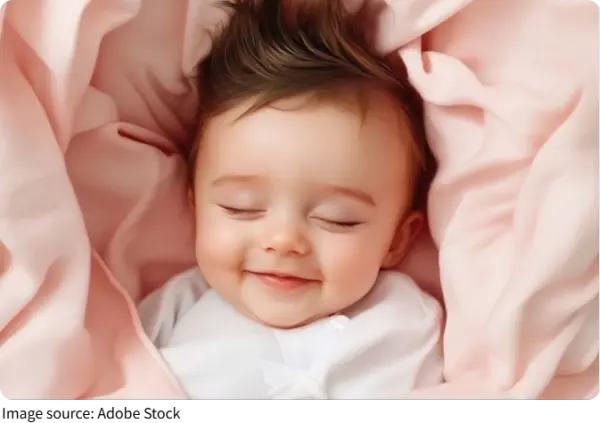
A baby’s smile during sleep is often not a conscious action. Instead, it can be a natural reflex created by brain activity that is still developing. Small signals in the brain may lead to subtle muscle movement, such as a lifted mouth corner or a brief soft sound.
This is generally considered a normal part of early development. It often suggests that the baby is in a healthy state of growth and is responding naturally to internal processes rather than external triggers.
Sleep Cycles and Active Rest
Another important factor is the structure of sleep itself. Infants experience sleep in cycles that alternate between lighter rest and deeper rest. These stages are quite different in terms of brain activity and physical movement.
During lighter rest, brain activity remains relatively active. This is when we may observe small motions such as gentle feeding movements, slight shifts in position, or changes in expression. A soft smile or brief sound may appear during this phase.
In deeper rest, the body becomes much calmer. Breathing becomes steady, movement decreases, and expressions relax. This balance between two sleep stages creates the impression of changing expressions throughout the night.
We often see these cycles repeating multiple times during sleep, supporting both rest and early development.
Comfort, Security, and Emotional Ease
A third explanation is linked to comfort and emotional security. When a baby feels warm, full, and safe, the body naturally relaxes. This relaxed condition can lead to peaceful expressions, including smiling or gentle laughter during sleep.
The surrounding environment also plays a role. A calm space, consistent care, and familiar sounds can help create a sense of stability. When everything feels secure, the body reflects that comfort even during rest.
These expressions are not complex emotional reactions but rather simple reflections of balance and ease. They show that the baby is experiencing a stable and supportive environment.
How Sleep Expressions Change Over Time
As babies grow, sleep patterns and reactions gradually change. In the earliest stage, sleep-related smiles are mostly connected to physical comfort and basic neurological development. They are simple, spontaneous, and frequent.
Later in infancy, usually closer to the end of the first year, recognition and memory begin to develop more clearly. Babies start to respond more actively to familiar voices and faces during waking hours. These positive experiences can influence how relaxed they feel during sleep.
When daily interactions are calm and supportive, the emotional sense of safety may carry into rest. As a result, we may still observe gentle smiles during sleep, reflecting a sense of comfort built throughout the day.
Why These Moments Matter for Growth
Even though sleep smiles are small and brief, they are part of a larger developmental process. Muscle movement helps activate muscles, supporting coordination and control over time. These subtle actions contribute to early physical development in a natural way.
Emotional well-being is also connected. When a baby frequently experiences comfort and calm surroundings, it can support balanced development. A relaxed state often helps the body regulate rest more effectively. We also notice that smiling tends to encourage interaction. Babies who express calm and positive signals often receive more gentle attention from caregivers and people around them. This increased interaction can support early communication skills and social awareness.
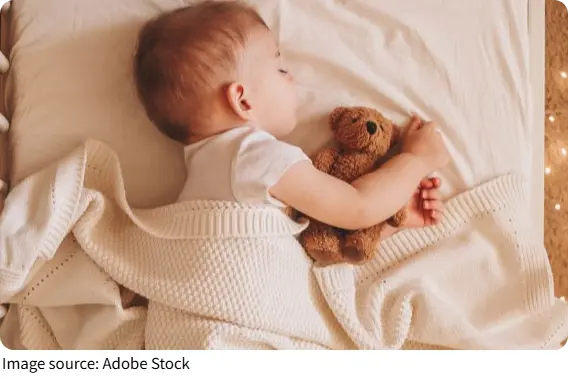
At the end of a long day, watching a baby sleep can bring a sense of peace. When a small smile appears during that quiet moment, it often feels especially meaningful.
There is no need to search for complex explanations. In most cases, it simply reflects healthy development, comfort, and a calm resting state.Lykkers, have you ever paused to observe a sleeping baby and noticed that soft smile? It is a quiet reminder that early life is shaped by simple moments of comfort and care, shared gently across families everywhere.
Why Do Babies Smile in Their Sleep?
Video by FirstCry Parenting