How to Choose a Teapot

Declan Kennedy
| 27-04-2026
 · Lifestyle Team
A teapot looks simple enough from the outside.
Round body, spout on one side, handle on the other, lid on top. How complicated could the decision be?
As it turns out, quite a lot more than it appears, and anyone who has poured a cup of tea that dribbled down the spout onto the table, or lifted a lid that burned their fingers, or dealt with a strainer so clogged it took three minutes to empty, knows exactly what I mean.
The wrong teapot is a daily source of small frustrations. The right one disappears into the ritual of making tea so completely that you stop noticing it exists.
The good news is that choosing well is genuinely straightforward once you know which questions to ask. And none of them are about color.
Start With the Material
The material determines how your teapot behaves with heat, how long it stays warm, how it affects the flavor of the tea, and how much care it requires. These are not small considerations.
Ceramic and porcelain teapots are the most common and the most versatile. They are non-porous, which means they do not absorb flavors between uses and can be used for any type of tea without affecting the taste. Porcelain retains heat reasonably well, cleans easily, and suits everyday use without any special maintenance. If you drink different types of tea and want a single teapot that handles all of them honestly, porcelain or glazed ceramic is the practical answer.
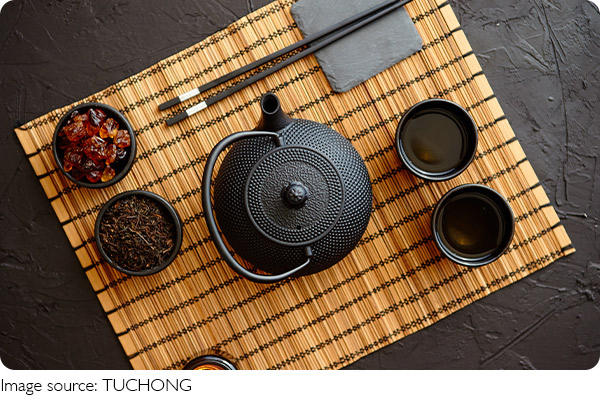
Cast iron teapots, particularly the Japanese tetsubin style, retain heat exceptionally well and hold temperature for significantly longer than ceramic. A cast iron teapot poured at the correct brewing temperature will still be warm forty-five minutes later. The tradeoff is weight, which matters when you are pouring for several people, and the interior coating, which must remain intact to prevent rust. Cast iron teapots with an enameled interior are easier to maintain than uncoated versions.
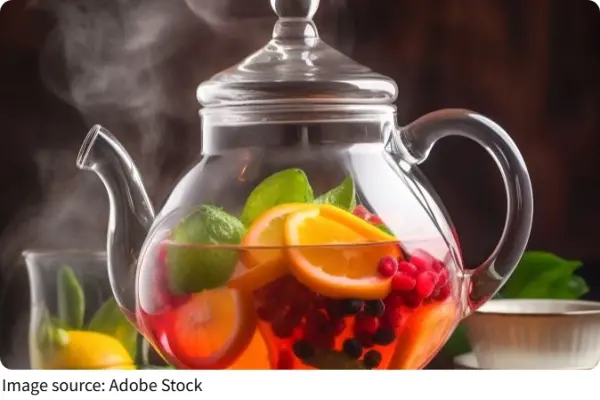
Glass teapots are beautiful for teas where watching the leaves unfurl is part of the experience, particularly with whole-leaf teas and herbal blends. They have minimal effect on flavor and are easy to clean. The limitation is heat retention, which is poor compared to ceramic or cast iron, and the lack of any insulating quality means the tea cools faster.
Unglazed clay teapots, particularly those made from specific regional clays, are best left for experienced tea drinkers who are committed to a single type of tea. An unglazed clay teapot absorbs the oils and compounds from every brew, building a seasoning over time that enhances the flavor of subsequent infusions. Using multiple tea types in the same unglazed teapot muddles this effect entirely. These are wonderful objects for people who drink the same tea daily and want to deepen their experience of it. They are unnecessary for everyone else.
Size Matters More Than You Think
Match the teapot size to how you actually drink tea, not to how you imagine you might. A 400ml teapot is right for one person brewing two cups in a session. A 600ml teapot suits two people comfortably. An 800ml to 1000ml teapot is appropriate for three to four people or for someone who brews a large quantity and keeps it warm over time.
Brewing tea in a teapot that is too large for the amount of tea you are making means the tea-to-water ratio is difficult to control and the tea cools faster relative to the volume of the vessel. A teapot that is too small means constant refilling and the temptation to overbrew the leaves in the second infusion.
The Spout and Strainer Are the Most Important Details
This is where most teapots fail in everyday use, and where most buyers do not pay sufficient attention when choosing.
A good spout pours cleanly, meaning the stream of tea flows directly from the spout tip without dripping down the exterior of the spout or dribbling back toward the handle. Testing this before purchasing is ideal, though obviously not always possible when buying online. Look for a spout that sits level with or slightly above the waterline of the teapot when full, which prevents backflow, and that has a clean, sharp tip rather than a wide, flat opening.
The strainer, the filter between the body and the spout, determines how easily the teapot pours and how easily it cleans. A built-in ceramic strainer with multiple small holes works well for fine-leaf teas. A stainless steel mesh insert provides better filtration but requires removal for cleaning. Avoid strainers with holes so small they clog with every use and require scrubbing to restore flow.
The handle should sit comfortably in hand and position your fingers away from the body of the teapot when it is full and hot. Handles that sit too close to the body transfer heat directly to the hand. Handles with a generous gap between the grip and the vessel allow comfortable pouring even when the teapot has just been filled with boiling water.
Choosing a teapot well comes down to understanding one thing: a teapot is a tool you use every day, and the best tool is the one that does its job so reliably you forget to evaluate it. Find the right material for the tea you drink, the right size for the number of people you brew for, and a spout that pours cleanly without drama. Everything else, the glaze color, the shape, the decorative detail, becomes a genuinely enjoyable decision once the functional boxes are checked. And a teapot that works beautifully and looks beautiful is one of the more satisfying objects you can have on a kitchen counter.