Minimalist Floral Style

Raghu Yadav
| 20-03-2026
 · Art Team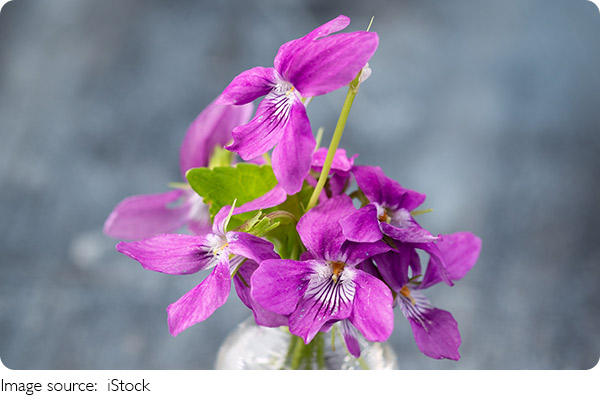
A single stem in a quiet room can say more than a large bouquet. Minimalist flower arrangements are not about limitation—they are about intention.
In modern homes where space, light, and clean lines define the environment, fewer flowers can create a stronger visual impact when placed with care.
The Philosophy of “Less is More”
Minimalist floral design focuses on clarity and restraint. Instead of filling a vase with many elements, the goal is to highlight the natural beauty of each stem. This approach allows the viewer to notice subtle details such as curvature, color transitions, and texture.
By reducing visual clutter, minimalist arrangements create a sense of calm and balance. Each component has a purpose, and nothing feels excessive. This aligns well with modern interior design, where simplicity and open space are highly valued.
1. Fewer elements create stronger visual focus
2. Each flower is carefully selected and placed
3. Empty space becomes part of the design
Choosing the Right Flowers
In minimalist arrangements, flower selection is critical. Instead of variety, designers often choose one or two types of blooms with distinct shapes. Flowers with clean lines or sculptural forms work especially well.
Long-stemmed flowers can emphasize height and elegance, while single blooms can act as a focal point. Neutral or soft color palettes are often preferred, though a single bold color can create a striking contrast in an otherwise simple space.
Texture also plays an important role. Combining a smooth petal with a slightly textured leaf can add depth without increasing complexity.
The Role of Space and Composition
One of the defining features of minimalist floral design is the intentional use of negative space. The empty area around the flowers is not wasted—it enhances the composition by giving each element room to breathe.
Arrangements are often asymmetrical, creating a natural and dynamic look. Instead of centering everything, placing flowers slightly off-balance can make the design feel more organic and refined.
1. Use asymmetry to create visual interest
2. Leave space between stems for clarity
3. Focus on clean, simple lines
Choosing the Perfect Vase
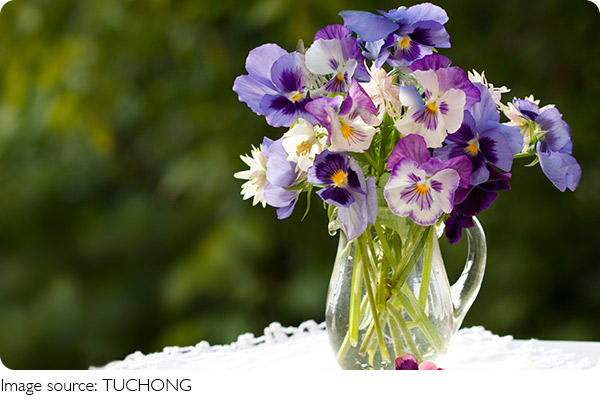
The container is just as important as the flowers themselves. Minimalist arrangements typically use vases with simple shapes and neutral tones. Clear glass, matte ceramic, or subtle metallic finishes are popular choices.
The size of the vase should match the scale of the arrangement. A tall, narrow vase works well for a few long stems, while a small, low container suits a single bloom. The goal is harmony between the vessel and the flowers.
Styling for Modern Interiors
Placement within the home greatly influences the final effect. Minimalist arrangements are ideal for spaces like coffee tables, shelves, or entryways where they can be appreciated without overwhelming the area.
Lighting also enhances the presentation. Natural light can highlight the shape and color of each stem, creating soft shadows that add depth. Keeping the arrangement away from clutter ensures it remains a focal point.
1. Place arrangements in uncluttered areas
2. Use natural light to enhance details
3. Match arrangement size to the space
Maintaining Simplicity Over Time
Minimalist arrangements require regular care to maintain their clean appearance. Removing wilting elements promptly keeps the design fresh and intentional. Fresh water and trimmed stems help preserve the structure and longevity of the flowers.
Because the design relies on simplicity, even small changes can affect the overall look. Paying attention to detail ensures the arrangement continues to feel balanced and refined.
Choosing the Perfect Vase
The container is just as important as the flowers themselves. Minimalist arrangements typically use vases with simple shapes and neutral tones. Clear glass, matte ceramic, or subtle metallic finishes are popular choices.
The size of the vase should match the scale of the arrangement. A tall, narrow vase works well for a few long stems, while a small, low container suits a single bloom. The goal is harmony between the vessel and the flowers.
Styling for Modern Interiors
Placement within the home greatly influences the final effect. Minimalist arrangements are ideal for spaces like coffee tables, shelves, or entryways where they can be appreciated without overwhelming the area.
Lighting also enhances the presentation. Natural light can highlight the shape and color of each stem, creating soft shadows that add depth. Keeping the arrangement away from clutter ensures it remains a focal point.
1. Place arrangements in uncluttered areas
2. Use natural light to enhance details
3. Match arrangement size to the space
Maintaining Simplicity Over Time
Minimalist arrangements require regular care to maintain their clean appearance. Removing wilting elements promptly keeps the design fresh and intentional. Fresh water and trimmed stems help preserve the structure and longevity of the flowers.
Because the design relies on simplicity, even small changes can affect the overall look. Paying attention to detail ensures the arrangement continues to feel balanced and refined.
Minimalist flower arrangements remind us that beauty does not depend on abundance. In a world filled with constant stimulation, a simple arrangement offers a moment of quiet focus. It invites us to slow down, observe closely, and appreciate the elegance found in less.