Red-Eyed Tree Frog

Chris Isidore
| 10-03-2026
 · Animal Team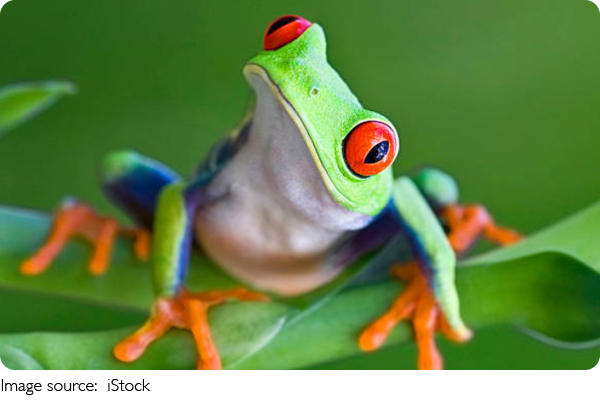
One humid evening in a rainforest reserve, I noticed a flash of vibrant red among the green leaves.
A tiny frog with emerald skin and bright scarlet eyes stared back at me, frozen on a branch.
Its sudden appearance was startling, yet mesmerizing. That moment made me wonder: what makes these small creatures so striking, and how do their bold colors serve a purpose beyond mere beauty?
Camouflage and Surprise
Daytime hiding techniques
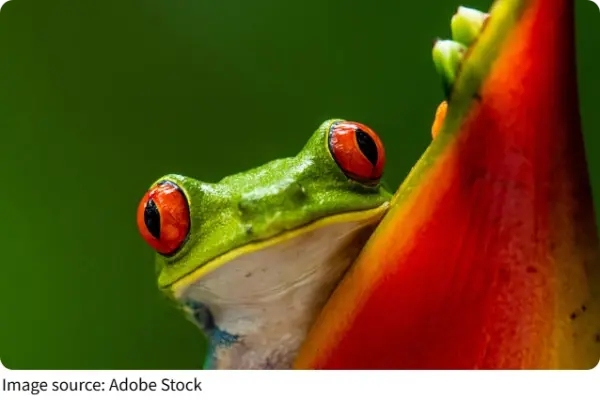
Red-eyed tree frogs are nocturnal, spending the day resting on the undersides of leaves. Their green bodies blend seamlessly with foliage, hiding them from predators such as snakes and birds. By keeping their bright limbs tucked in and eyes closed, they appear nearly invisible, demonstrating nature's precise mastery of concealment.
Startle coloration
When threatened, red-eyed tree frogs suddenly open their eyes, revealing striking red irises, and may flash their blue and yellow sides. This unexpected burst of color can startle or confuse predators, providing a crucial moment to escape. The effect is so effective that many predators hesitate, giving the frog precious seconds to leap to safety.
Coordinated escape strategies
Beyond color, their long, powerful legs enable quick, precise jumps from leaf to leaf. These acrobatic movements, combined with startle coloration, dramatically increase survival chances in the dense rainforest canopy.
Reproductive Behaviors
Egg-laying above water
Red-eyed tree frogs lay eggs on the underside of leaves hanging over ponds or streams. This placement protects the eggs from many ground-dwelling predators while ensuring that hatching tadpoles drop safely into water. Each clutch contains dozens of eggs, with males often guarding nearby territories to attract females.
Vibrant signals for mating
Males use vocal calls to attract females, producing rhythmic croaks that resonate through the forest. Their bright eyes and colorful body patches act as visual cues, signaling health and genetic fitness to potential mates.
Seasonal timing and survival
Breeding coincides with the rainy season, when water levels are high, increasing the survival rate of tadpoles. This careful synchronization highlights the frog's adaptation to environmental conditions and ensures that offspring have access to abundant resources.
Ecological Role and Adaptations
Controlling insect populations
Red-eyed tree frogs primarily feed on insects, helping maintain a balanced ecosystem. By reducing populations of moths, flies, and beetles, they indirectly protect surrounding vegetation and contribute to the rainforest's health.
Prey for higher predators
While adept at camouflage and startling tactics, they are still prey for snakes, birds, and larger amphibians. Their presence supports the rainforest food web, demonstrating how even small species play crucial ecological roles.
Indicators of environmental health
These frogs are sensitive to pollution and habitat loss, making them important indicators of ecosystem health. Thriving populations suggest clean water and intact rainforest, while declining numbers often signal environmental stress.
Observing a red-eyed tree frog in its natural habitat is a reminder of the clever adaptations and colorful strategies nature employs. From their startling eyes to acrobatic escapes and carefully timed reproduction, every trait serves a purpose. They are not just beautiful to look at—they are finely tuned survivors, balancing visibility, concealment, and ecological contribution in a delicate dance of life.
Next time you walk through a rainforest or even a well-planted garden, keep an eye out for sudden flashes of color. Those bright red eyes may be the signal of one of the rainforest's most skilled and fascinating little inhabitants, quietly shaping its environment and inspiring awe with every leap.