Lotus

Raghu Yadav
| 26-02-2026
 · Plant Team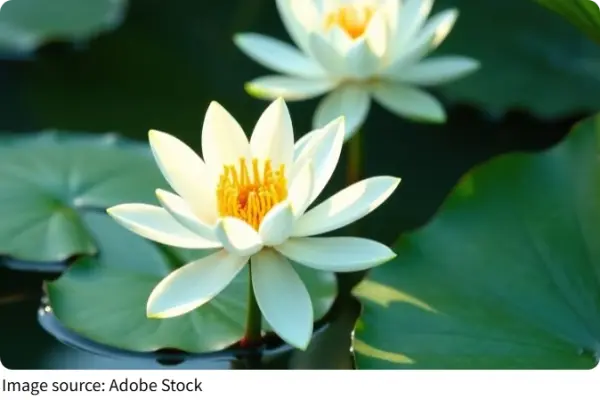
Lotus flowers have a quiet elegance that can captivate anyone walking past a pond. But beyond their beauty, these flowers hold fascinating secrets that make them stand out in nature.
From their unique ability to stay clean to their special growth patterns, the lotus is a plant full of surprises.
Exploring these traits gives us a deeper appreciation for one of the most intriguing flowers in the world.
1. Self-Cleaning Magic
Leaves repel water and dirt effortlessly
Natural nano-structure prevents debris accumulation
Reduces risk of bacterial growth in water
Lotus leaves are coated with microscopic structures that create a natural water-repellent effect. Water droplets slide off easily, taking dust and particles along with them. This “self-cleaning” property has inspired innovations in materials science, such as coatings for glass and fabrics.
Actionable tip:
Observe a lotus leaf on a pond after rain. You'll notice beads of water rolling off. This simple observation can inspire ways to keep household surfaces cleaner with minimal effort.
2. Unique Growth Habits
Roots anchored in muddy soil
Leaves and flowers rise above water
Flowers open during the day, close at night
Despite growing in murky water, lotus flowers rise above the surface on strong stems. This adaptation ensures they get enough sunlight for photosynthesis. Interestingly, lotus flowers also follow a daily rhythm, opening in the morning and closing at night, a pattern that can last for several days.
Actionable tip:
If you're growing lotus in a garden pond, ensure the water depth allows stems and flowers to rise above the surface. Tracking their opening and closing can make caring for them more interactive and engaging.
3. Remarkable Longevity
Seeds can survive decades in harsh conditions
Germinate after being buried in soil for years
Demonstrates resilience in nature
Lotus seeds are known for their incredible longevity. Some seeds found in old sediment layers have been successfully germinated even after decades. This ability to remain viable under tough conditions shows how resilient the species is, a trait that fascinates botanists worldwide.
Actionable tip:
Consider planting lotus seeds in a controlled pond environment. Observing their slow but steady growth can teach patience and the importance of environmental care for delicate plants.
4. Natural Cooling System
Flowers can regulate their temperature
Maintains warmth for pollinators
Supports insects even in cooler weather
Lotus flowers have the ability to maintain a slightly warmer temperature than the surrounding air. This natural warmth attracts insects for pollination, even when the environment is cool. The heat generation is a rare phenomenon among flowering plants.
Actionable tip:
If you're studying insects in a pond environment, observe how bees or beetles visit lotus flowers even in cooler parts of the day. It's a subtle reminder of the complex interactions in nature.
5. Symbolism and Influence
Represents purity and rebirth in many cultures
Inspires art, architecture, and design
Used in natural remedies and teas
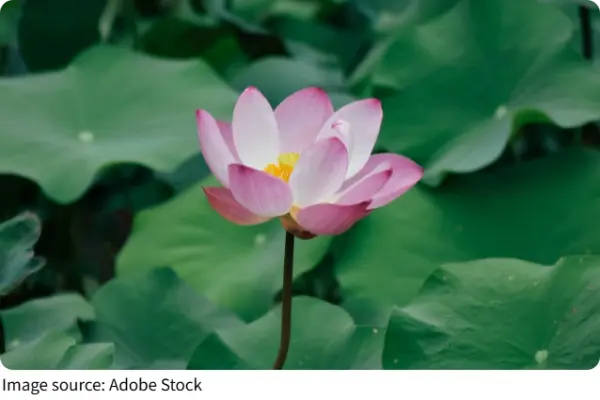
Beyond its biological wonders, the lotus has long been a symbol of purity, enlightenment, and renewal. Its ability to rise from mud and bloom untouched has inspired countless artworks, designs, and even natural remedies. Lotus petals, seeds, and leaves are used in teas and other plant-based products for their gentle taste and beneficial properties.
Actionable tip:
Try incorporating dried lotus petals into herbal teas or as a visual addition to your garden. Not only does it bring beauty, but it also connects you to the flower's symbolic meaning of growth and resilience.
The lotus is more than just a beautiful bloom; it is a marvel of nature's engineering. From self-cleaning leaves to long-lived seeds and even natural temperature control, every part of this plant tells a story of adaptation and resilience. Observing a lotus in your own pond or garden can offer both visual delight and a gentle reminder of the extraordinary systems at work in the natural world.