African Elephant

Arvind Singh
| 11-02-2026
 · Animal Team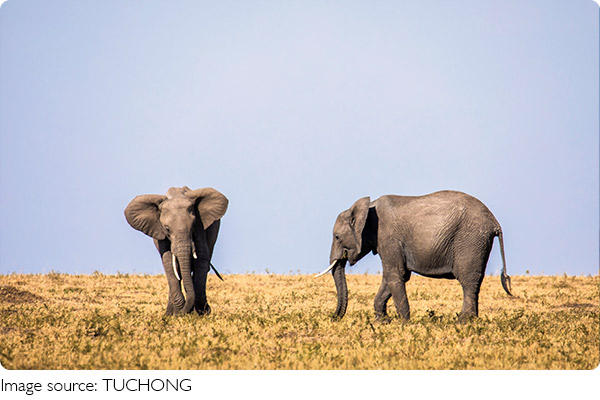
Walking near a herd of African elephants is an unforgettable experience.
Their massive size, slow deliberate movements, and expressive behaviors make them seem both powerful and gentle at the same time.
But beyond their impressive appearance, these creatures display intelligence, social bonds, and survival strategies that are truly remarkable. Let's explore the fascinating world of African elephants.
Physical Strength and Unique Features
African elephants are the largest land animals on Earth. Their strong, muscular bodies, large ears, and long trunks help them navigate diverse habitats. The trunk alone serves multiple purposes: breathing, smelling, drinking, lifting, and social interactions. Tusks, which are elongated incisors, are tools for digging, foraging, and defending themselves.
Actionable example: If observing elephants in the wild or on a safari, notice how they use their trunks to reach high branches or pull up grass. This versatility demonstrates the combination of strength and precision in one unique appendage.
Social Bonds and Communication
Elephants live in tight-knit family groups, usually led by a matriarch. Communication is essential for maintaining these bonds. They use low-frequency sounds, infrasound, and body language to convey messages over long distances. Subtle gestures like touching trunks or ear flapping indicate reassurance or alertness.
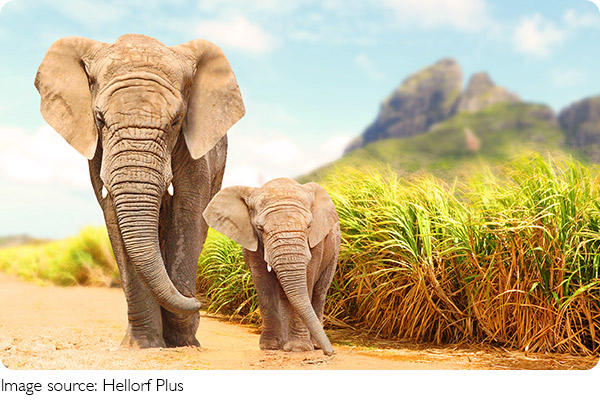
Actionable example: While watching a herd, note how younger elephants often stay close to their mothers. This behavior highlights the importance of guidance and protection in their social structure, teaching younger members essential survival skills.
Intelligence and Memory
African elephants are known for their intelligence and strong memory. They can recognize other elephants, remember watering holes over long distances, and even react to human emotions. Problem-solving abilities are evident when they manipulate objects or work together to reach food.
Actionable example: When visiting a sanctuary, observe enrichment activities provided for elephants, like hidden food or puzzles. These activities stimulate their cognitive abilities, reflecting how wild elephants solve challenges in their natural environment.
Diet and Foraging Behavior
Elephants are herbivores, consuming hundreds of pounds of vegetation daily. Their diet includes grasses, leaves, bark, and fruit. They often modify their surroundings while feeding, stripping bark or knocking down branches, which inadvertently helps other species access food.
Actionable example: On guided tours, pay attention to feeding patterns. Watching how elephants selectively choose food items can teach us about ecosystem interactions and the role elephants play in maintaining habitat balance.
Reproduction and Family Life
Female elephants have long gestation periods of around 22 months. They give birth to one calf at a time, and the herd cooperatively helps in raising the young. Protective behaviors include surrounding calves with adults during threats and teaching them essential foraging and social skills.
Actionable example: If observing a family group, notice how adults position themselves around the young. This strategic arrangement reduces risk from predators and teaches calves about group dynamics and safety in numbers.
Adaptations to the Environment
African elephants are highly adaptable. Their large ears help regulate body temperature, while their thick skin protects against sun and thorns. Seasonal migrations allow them to locate water and food, showing remarkable endurance and navigation skills.
Actionable example: While studying elephants in different regions, track how herds move with changing seasons. Understanding these patterns reveals how elephants survive harsh climates and maintain access to resources throughout the year.
African elephants are more than just iconic giants; they are intelligent, social, and highly adaptable creatures. Observing their behavior, from feeding and communication to protection of young, offers a window into an intricate and fascinating world. By appreciating their complexity, we can better understand the importance of conserving these gentle giants for future generations.